







How to Support Ageing Parents Who Want to Stay in Their Own Home
You noticed something on the last visit. The stack of unopened post, maybe, or the fridge with not much in it, or the way the vacuuming got waved off like it was nothing when you both knew it wasn’t nothing anymore.
Nobody hands you a manual for this. One day your parents were the ones looking after you, and now you’re quietly checking the use-by dates while you make the tea.
This post is about the in-between years — when your parents don’t need a nursing home and would fight you tooth and nail if you suggested one, but the day-to-day is getting harder and the house feels quieter than it used to. What follows is what actually helps, and what matters less than you’d think.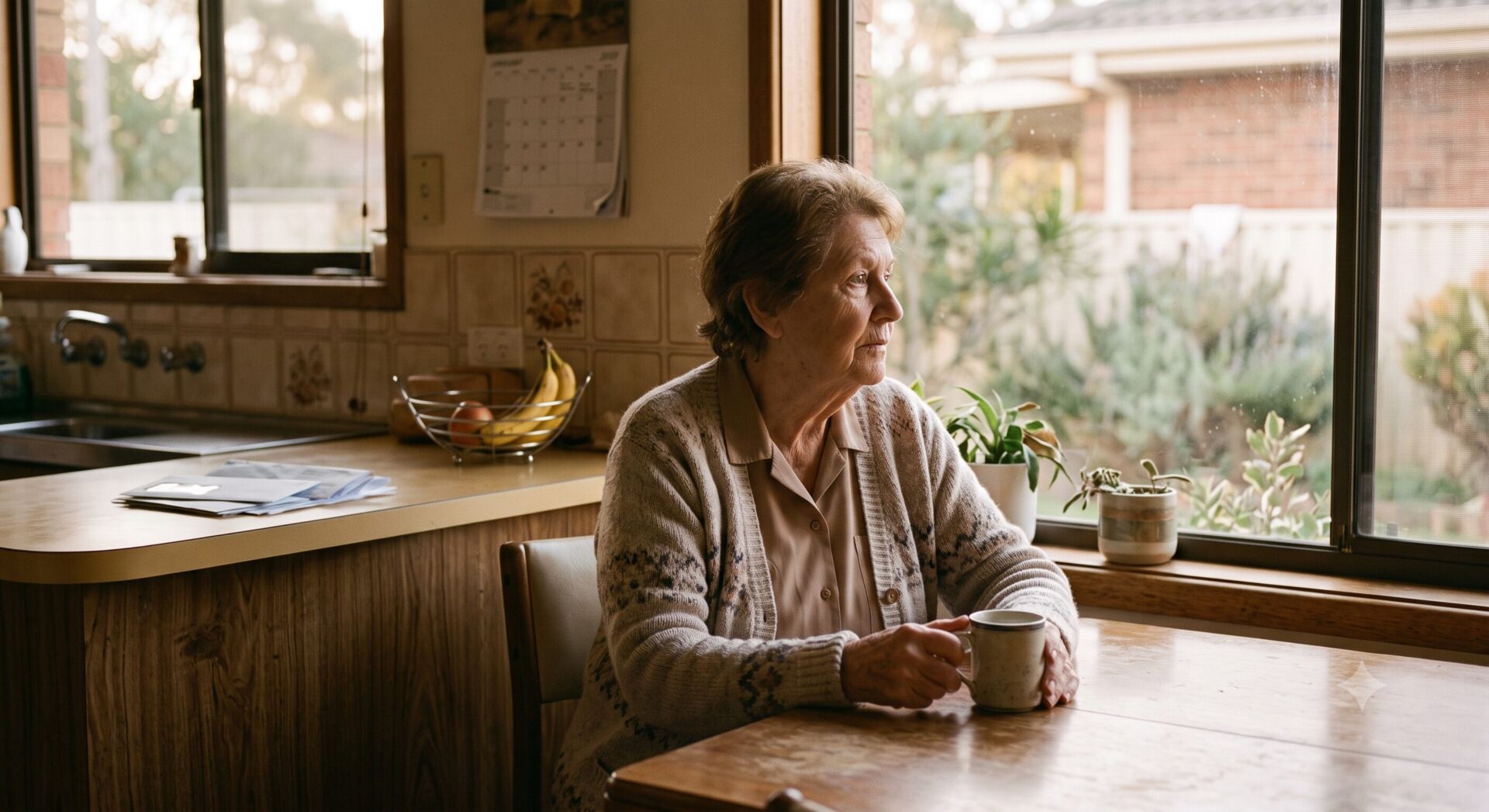
1. The small signs — the things you notice before anyone says anything
The clues are rarely dramatic. It’s usually less about anyone slowing down and more about the house quietly asking for more than it gives back. A bathroom that used to sparkle and now doesn’t. Your mum, who ironed tea towels for forty years, saying the washing “can wait” — not because she’s given up, but because the day only has so much in it.
Common signs the load around the house has outgrown the day:
● Mail or bills piling up unopened
● A fridge that’s often empty, or full of out-of-date food
● Laundry and dishes left longer than they used to be
● A once-tidy home slipping, or everyday jobs taking far longer
● Pulling back from friends, hobbies or outings
● Less energy for the things they used to enjoy
When keeping the house takes so much energy there’s none left for anything else, that’s usually the earliest, most honest sign the load has become too big. You don’t need to diagnose anything. You just need to take it seriously when the ordinary jobs start crowding out the good parts of the week.
2. The conversation nobody wants to start — and how to start it anyway
It’s tempting to wait for the right moment to raise it. The thing is, the right moment rarely announces itself, so the easiest time is simply early — while it’s all still hypothetical and there’s no pressure on anyone. A relaxed chat over a cuppa tends to go better than a big sit-down talk. Ask what they’d want, not what you’ve decided. “What would make things easier around here?” lands very differently to “You can’t manage on your own anymore.”
Most people would rather keep their independence and stay in the home they know — what’s often called ageing in place. Show them that a bit of help is how they hold onto that, and the whole conversation changes. The right support at home is often what lets someone go on living independently, in the place they know, for longer.
3. Small changes that keep them steady at home
A handful of practical changes make staying put easier. Walk through the house with fresh eyes.
● Clear the floors. Loose rugs, trailing cords, and clutter in the walkways are easy to trip on, so it’s worth clearing a straight path through the main rooms.
● Sort the bathroom. Bathrooms get slippery. A grab rail, a non-slip mat, and keeping the floor dry and clear all help.
● Light the path. A nightlight between the bedroom and bathroom makes the late-night trip easier.
● Hand over the jobs that need bending, lifting, or reaching. These are the ones that get hardest with age, and the first ones worth passing on.
The floors and the bathrooms tend to get physically hardest first, and they’re the jobs where a hand makes the most difference day to day.
For more information, check out the Home Modification Resources website.
4. The part a tidy house can’t fix — company
Here’s the part that doesn’t show up in a walk-through. You can clear the floors and fill the fridge, and the thing your parent might miss most is simply someone to talk to. Company matters as much as any job on the list.
What tends to help is regular company from a familiar face — someone who becomes part of the week rather than a one-off. A visit might be as simple as someone local making a cup of tea, lending a hand with a load of washing or the bins, watering the tomatoes, and staying long enough to hear the same yarn about the one that got away, for the hundredth time, and laughing at it anyway.
If that kind of company and a hand around the house is what’s missing, one option worth knowing about is Trooperly — the platform built by the same family behind Family Clean. It introduces older Australians to verified local people nearby, for light help and good company. Rather than sending whoever’s free, it lets you see who’s close by, look at their open profile, and choose someone yourself — the same person you can come back to, week to week.
For anyone letting a new person into a parent’s home, the checks matter, so Trooperly names them plainly: verified ID before a profile appears, and a National Coordinated Criminal History Check before anyone connects, with the check dates shown on every profile. The checks open the door — who walks through it is your choice.
Payments are handled in the platform, and any arrangement is directly between you and the local. It’s light help around the house and good company — not nursing, personal care, or a formal care service. Trooperly is built by the family behind Family Clean, who have been making house calls since 1994.
5. What you don’t have to carry on your own
You don’t have to map out the whole future, move them, sell the house, or make any permanent decision this month. The right next step is usually small: sort one recurring job, or arrange for a familiar face to come by on a regular day, and see how it goes. Being a good son or daughter doesn’t mean personally doing everything. It means making sure the people involved are ones you’ve chosen and can see clearly.
The part that often goes unsaid is how much you’re carrying — the adult child in the middle, often juggling your own household and young kids alongside everything that comes with parents getting older, sometimes from another city. If you live away, you’re far from the only one. Guilt comes as standard: guilty for not doing more, then guilty for resenting how much you already do. Both are normal. Choosing a local person yourself, seeing their open profile and their named checks, and coming back to the same person over time turns “I wish I could be there more” into a decision you’ve made and can stand behind.
6. FAQs – supporting ageing parents at home
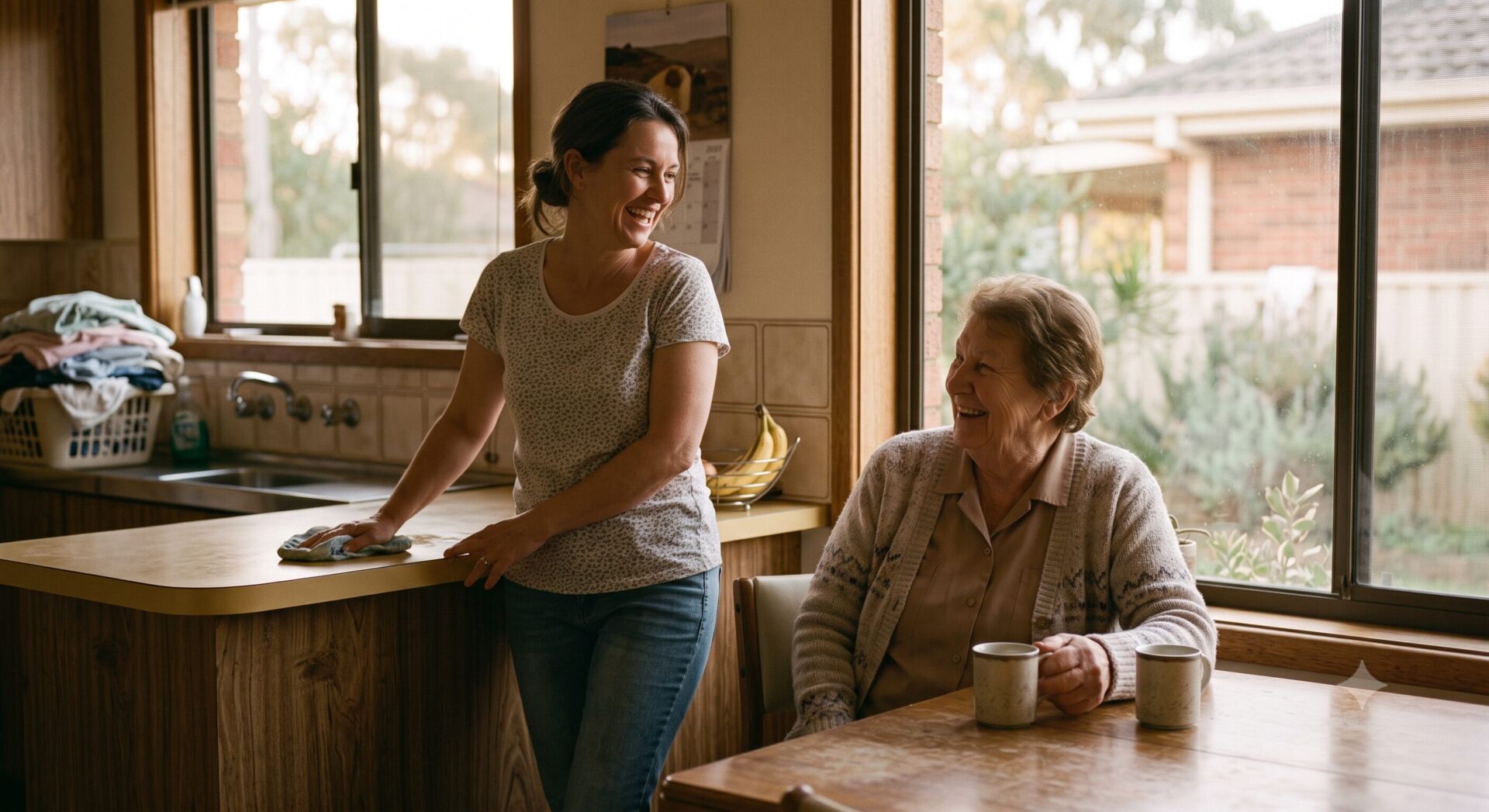
You already noticed something was off, and noticing is usually the hardest part. The next step doesn’t have to be big: one job taken off their plate, or a familiar face who comes by on a regular day. If that local, ongoing kind of help is what you’re after, a platform like Trooperly lets you see who’s nearby and choose someone yourself.
You don’t have to work out the whole road ahead today. Just the next bit.